
Understanding the psychology behind gambling What drives players to take risks
The Allure of Risk and Reward
At the heart of gambling lies a fascinating interplay between risk and reward. Players are often driven by the prospect of winning, which can create an exhilarating rush. This thrill can trigger the release of dopamine, a neurotransmitter associated with pleasure and reinforcement. The potential for large payouts acts as a powerful motivator, enticing individuals to take risks they might otherwise avoid in their daily lives. For example, many people turn to games like plinko pinco because of the excitement they bring and the possibility of rewards.
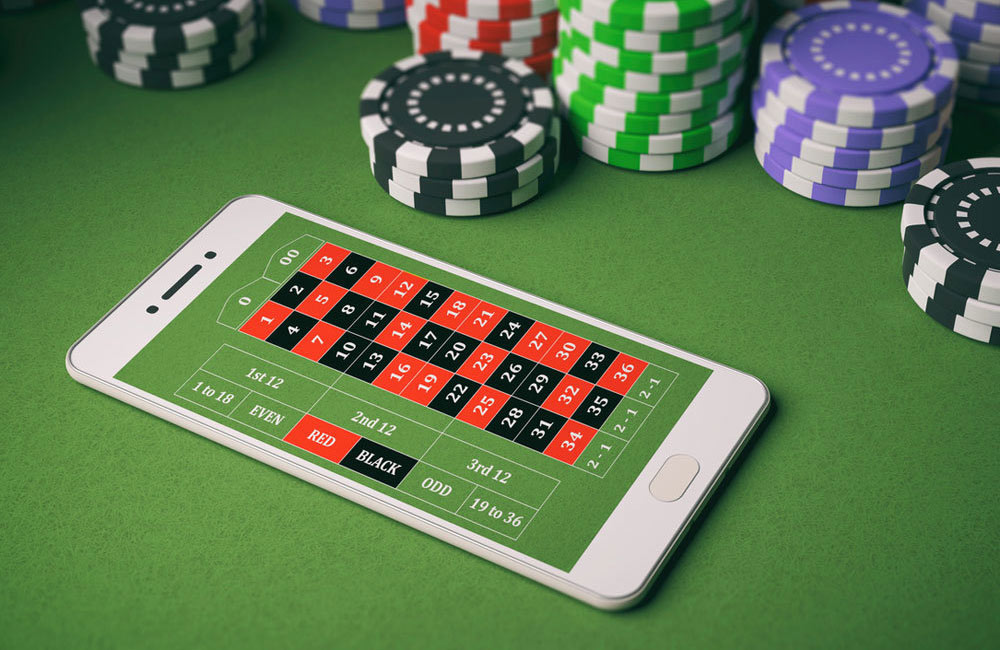
This psychological mechanism is not just about the money; it’s also about the experience. The excitement of unpredictability plays a significant role in drawing players in. Each game offers a chance for a unique outcome, creating an engaging environment where anticipation fuels the desire to play. For many, the emotional highs and lows of gambling become a compelling reason to return to the table or machine time and again.
The Role of Cognitive Biases
Cognitive biases significantly influence how players perceive risk in gambling situations. One common bias is the illusion of control, where individuals believe they can influence the outcome of games based on skill, even in games of chance. This misconception can lead to more frequent gambling, as players feel empowered by their perceived capabilities.
Another prevalent bias is the gambler’s fallacy, the belief that past events will influence future outcomes. For example, if a player observes a series of losses, they might feel that a win is due, prompting them to gamble more. These biases highlight how our thinking can distort reality, often leading to irrational behaviors that keep players engaged in gambling activities longer than intended.
The Social Aspect of Gambling
The social dynamics surrounding gambling also play a crucial role in driving individuals to take risks. Many people find joy in sharing the gambling experience with friends or strangers, creating a sense of community. Casinos, online platforms, and gaming establishments often foster environments that encourage social interaction, making the act of gambling more appealing.
Additionally, social reinforcement can amplify the urge to gamble. When friends celebrate wins or share stories of success, it can create a bandwagon effect, prompting others to join in. This sense of belonging and shared experience can overpower rational decision-making, further complicating an individual’s relationship with gambling.
The Impact of Marketing and Environment
Marketing strategies in the gambling industry are meticulously crafted to exploit psychological triggers. Colorful advertisements, enticing bonuses, and the glamorous portrayal of winners can create a powerful allure. This marketing often emphasizes the excitement and lifestyle associated with gambling, downplaying the risks and potential downsides.
Furthermore, the physical environment of casinos and gaming venues is designed to keep players engaged. The absence of clocks, the use of enticing sounds, and the placement of games all contribute to a thrilling atmosphere that can lead to longer play sessions. This strategic design taps into the players’ psychology, creating an immersive experience that can obscure the reality of their gambling behavior.

Engaging with Online Gaming Platforms
Online gaming platforms, such as the one dedicated to Plinko, offer unique opportunities for players to engage with interactive experiences. These platforms aim to provide entertaining gameplay while prioritizing user convenience and enjoyment. Although some may encounter technical difficulties, the core mission remains to create a fun and dynamic environment.
As players explore the various features and functionalities of such sites, they can experience both the thrill of gaming and the community aspect that online platforms can offer. Engaging with others in these digital spaces can create a sense of belonging while emphasizing the excitement and unpredictability that draws many individuals to gambling in the first place.